International Pentecostal Assembly
At the International Pentecostal Assembly, a journey that began with reflection and listening grew into renewed relationships across generations and a deeper engagement with the surrounding community.
Through participation in the Thriving Immigrant Congregations Initiative, the congregation discovered new ways to bridge cultural and generational divides: moving from shared space to shared life, and from inward focus to outward mission. What follows is a story of small steps, honest conversations, and a community learning to grow together.
The Ripple of Grace from Within to the World
On a Sunday afternoon on Chicago’s Northwest Side, a small group from an Indian immigrant congregation stood in a loose circle outside their church building. Some held stacks of freshly printed flyers. Others glanced up and down the street, quietly taking in a neighborhood many of them had travelled through for years but rarely engaged in this way. They stepped out in pairs and began knocking on doors, greeting strangers, and extending invitations to something new: the Thrive Festival.
For many, this moment felt unfamiliar. The International Pentecostal Assembly had long been a place of deep faith, vibrant worship, and strong community ties. But much of that community life had remained inward, centered on caring for its own. That afternoon marked something significant: a first step toward becoming a church that not only gathered but also reached outward. It was less about the flyers in their hands and more about a shift taking place within them.
IPA’s story stretches back to 1972, when Pastor Joseph K. Joseph founded the church to serve Indian immigrant families seeking both spiritual grounding and cultural familiarity. The church became a linguistic, spiritual, and social home for first-generation immigrants navigating life in a new country. Over the decades, however, the congregation grew more layered. Malayalam-speaking elders, English-speaking young adults, and children growing up between cultures all shared the same space, but not always the same experiences. Worship, relationships, and expectations often ran parallel rather than intersecting. Today, leadership has transitioned to Senior Pastor Joshua Joseph, a second-generation pastor shepherding this multigenerational congregation and carrying the responsibility of guiding deeper connection across generations. That began to change through IPA’s participation in the Thriving Immigrant Congregations Initiative (TICI) learning journey.
TICI gave the church a framework to understand its generational reality. The congregation also began to explore implicit and explicit theology and how this shaped shared life. Significantly, TICI created space for listening. Through shared learning with other immigrant churches and guided reflection, IPA began to see its challenge was not only cultural difference, but a deeper need for intentional connection across generations.
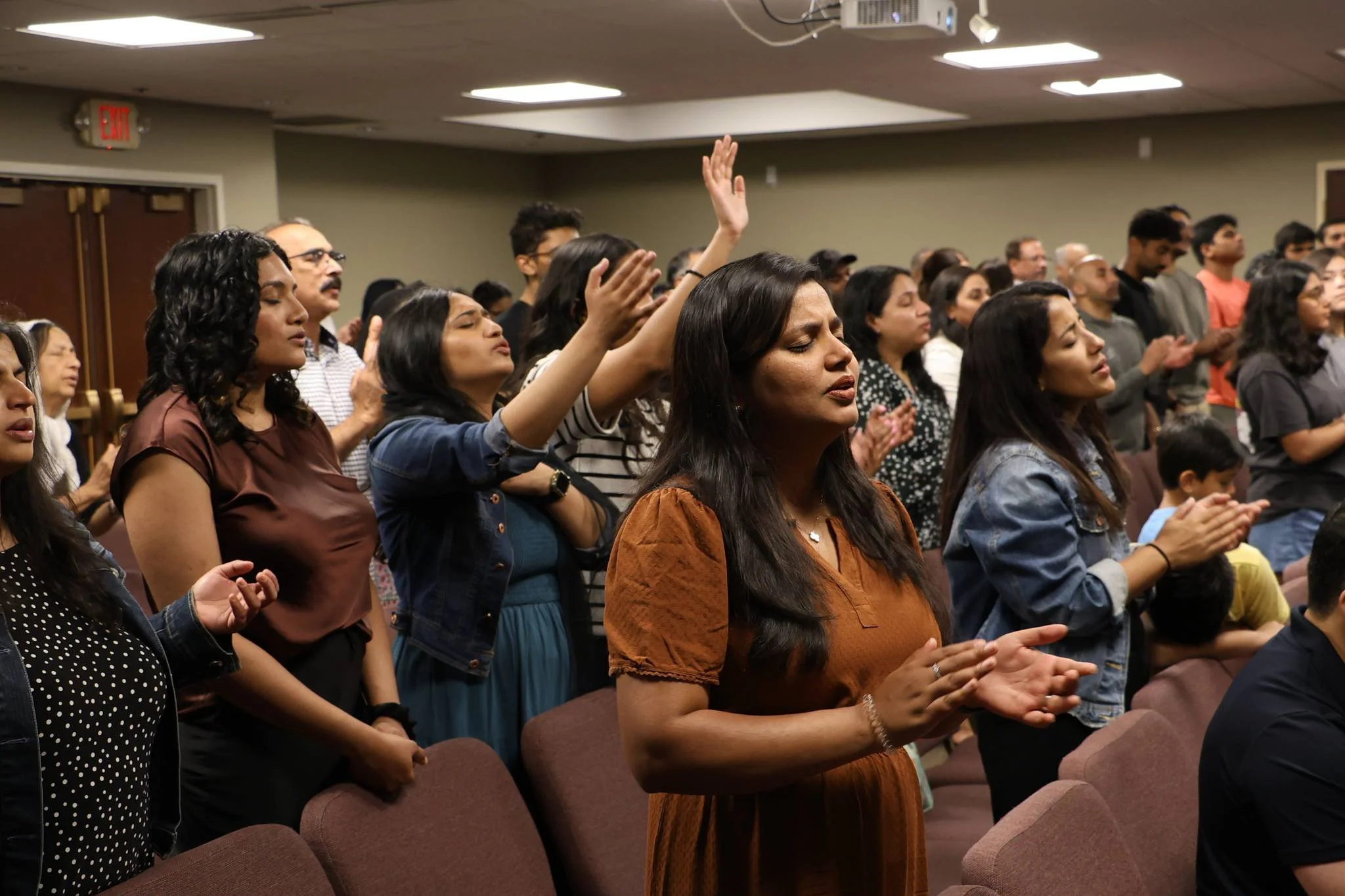
One of the earliest shifts came through prayer. Inspired by TICI, IPA reimagined its prayer life through intentional multigenerational gatherings. While intergenerational settings had always existed, they often involved limited interaction. Now, elders, adults, and youth prayed side by side in shared participation. What once felt routine became a moment of unity, as generations that had worshiped in parallel began to hear and respond to one another. Over time, trust began to form in quiet but meaningful ways.
From there, deeper conversations emerged. At a church retreat, the TICI vision was shared with the congregation. Listening sessions followed, bringing all generations into structured dialogue. Younger members expressed a desire for participation; older members shared a desire for continuity. These conversations did not erase differences, but they gave the church a shared language for moving forward together.
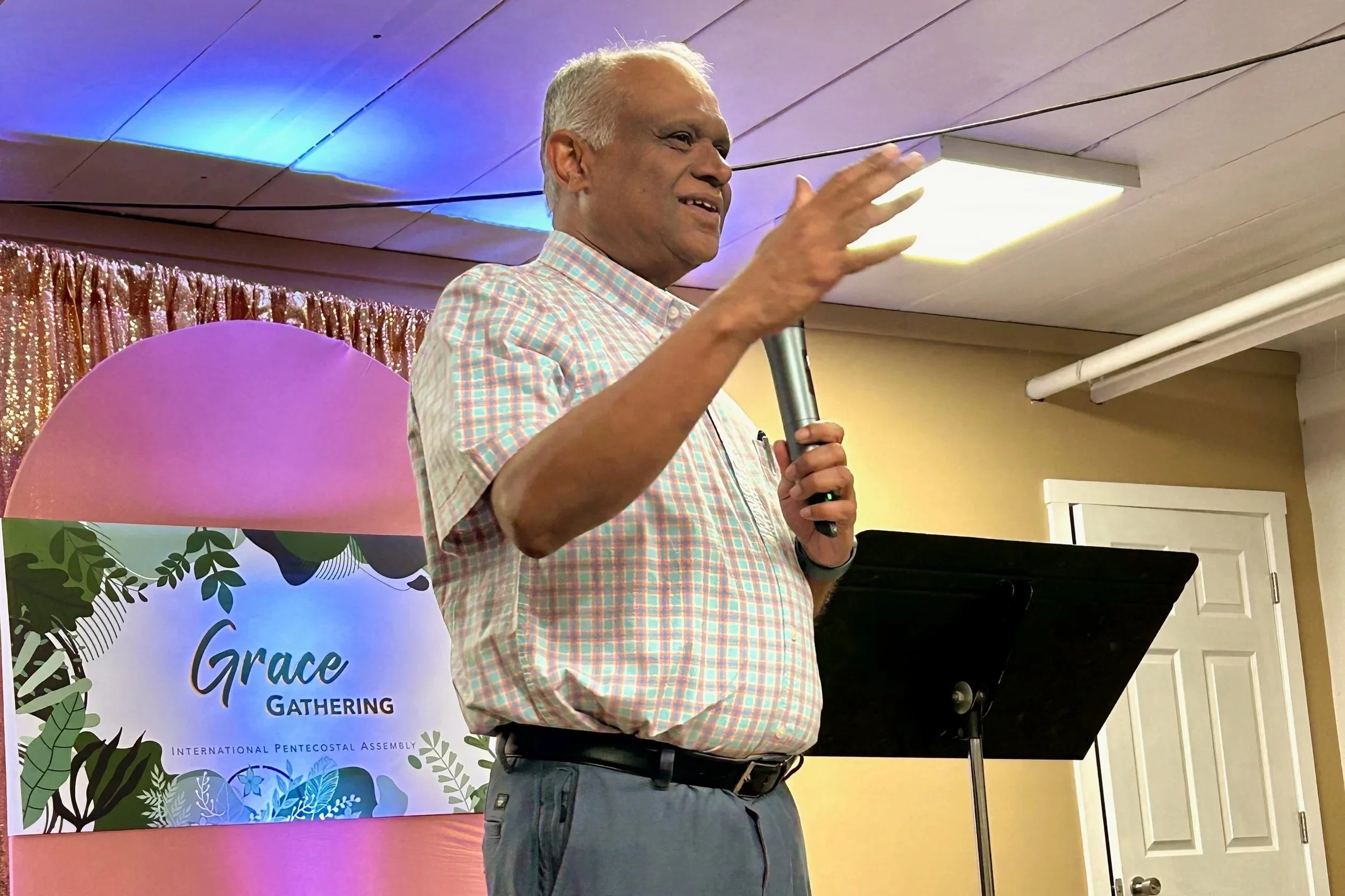
Out of this process, “Grace Gathering” was formed: a space where generations spoke, prayed, and reflected together. TICI’s emphasis on hospitality, unity, and shared leadership shaped these gatherings and slowly reshaped the church’s culture. What had once been inward facing was becoming a community practicing connection as a way of life. That internal transformation set the stage for something outward.
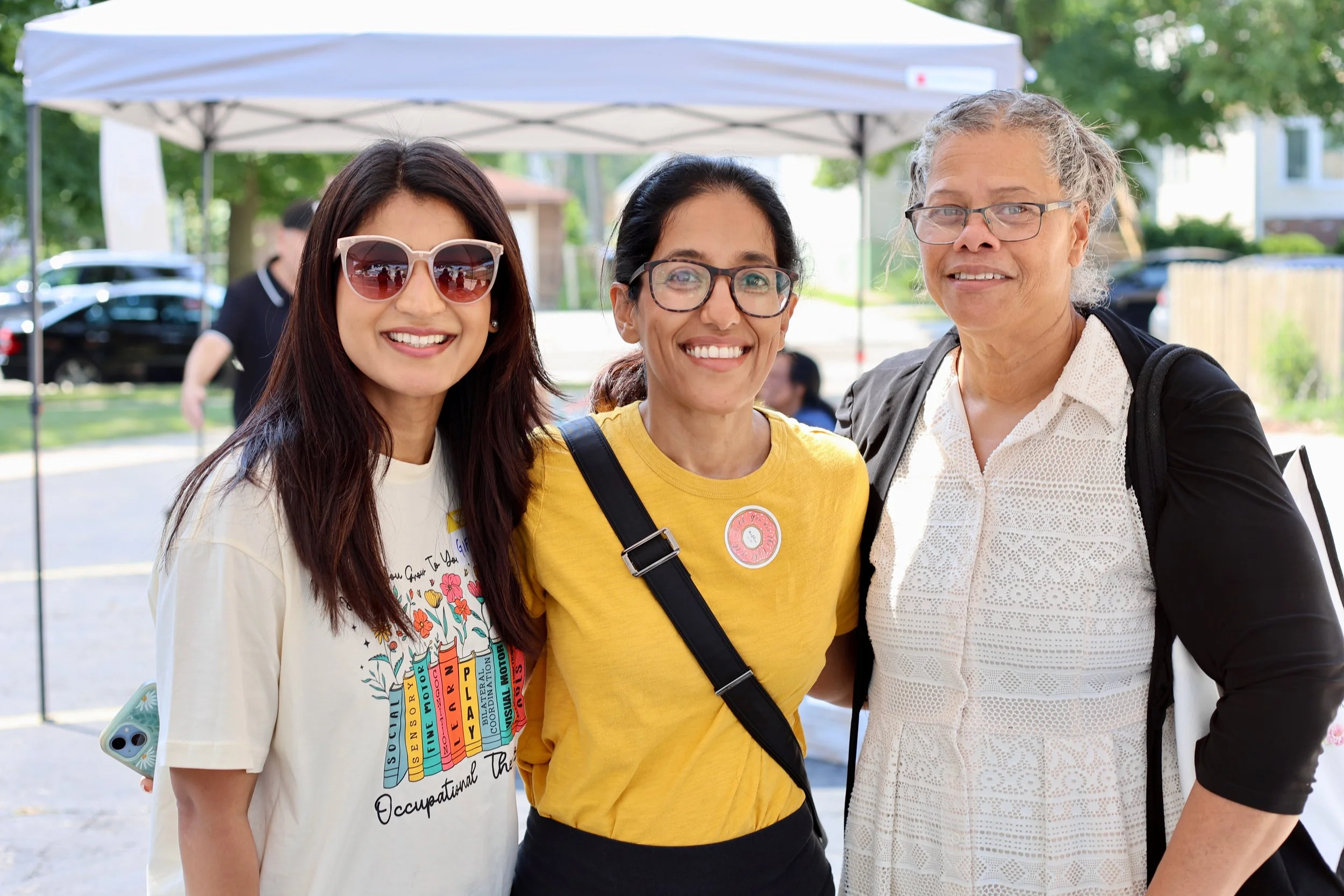
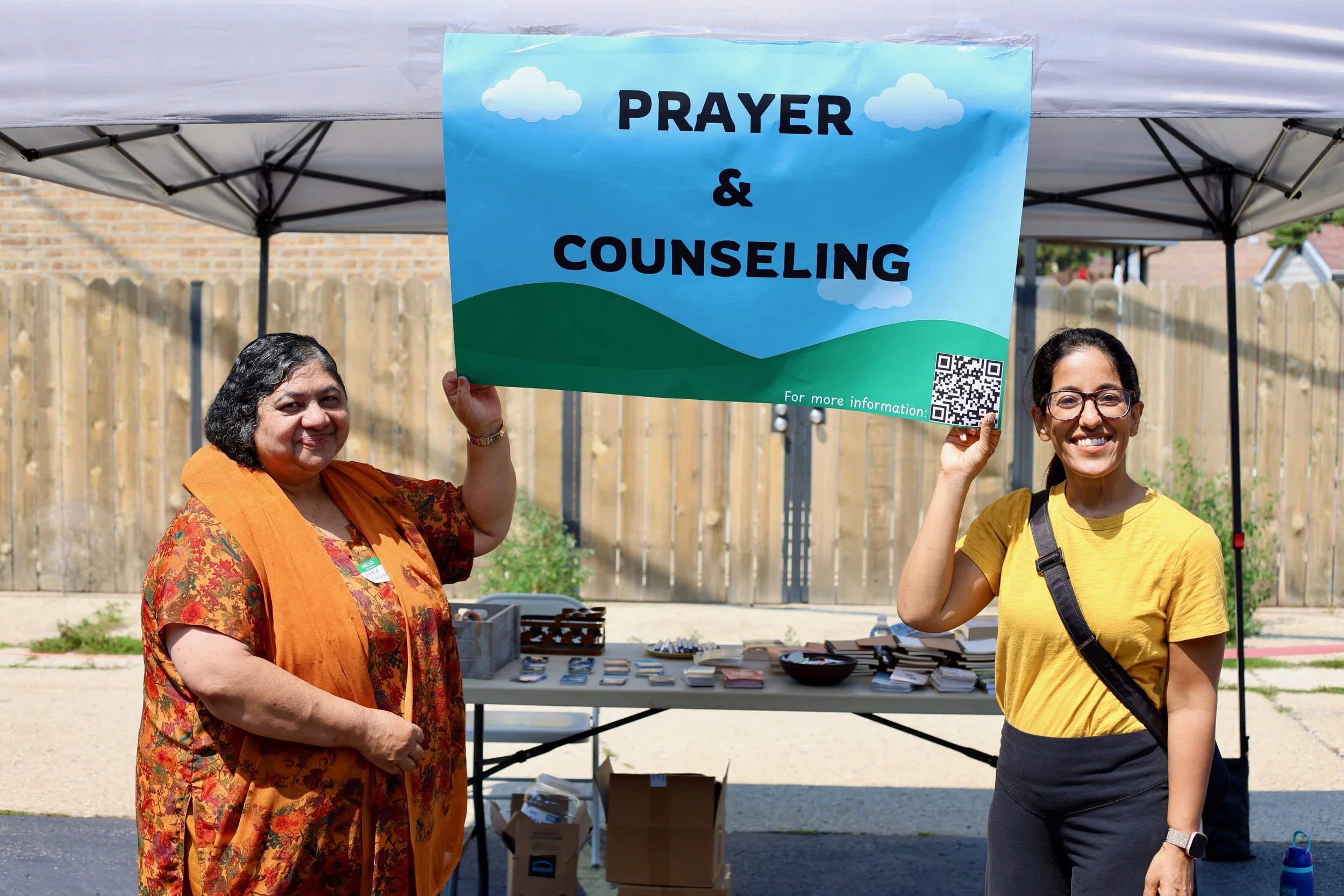
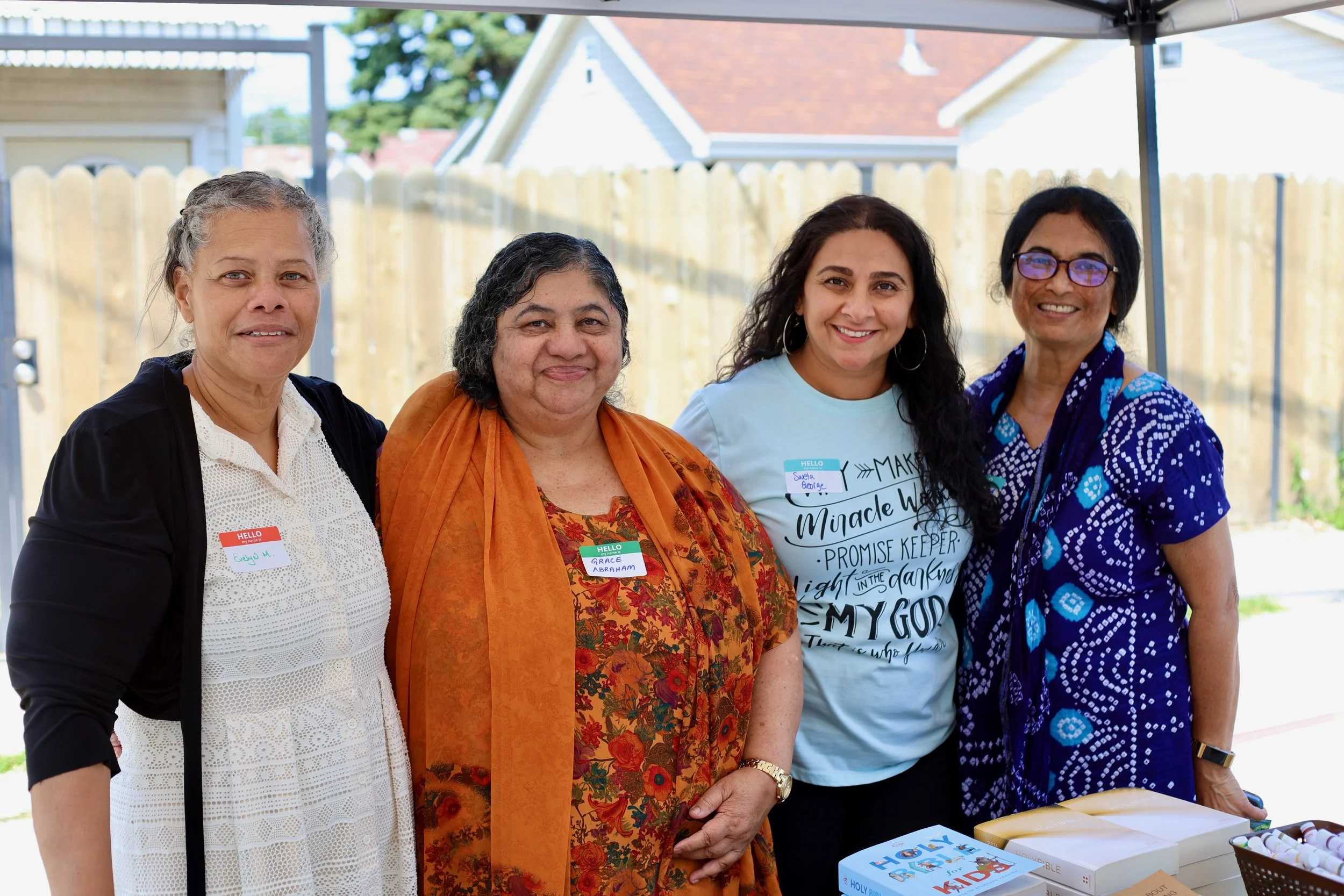
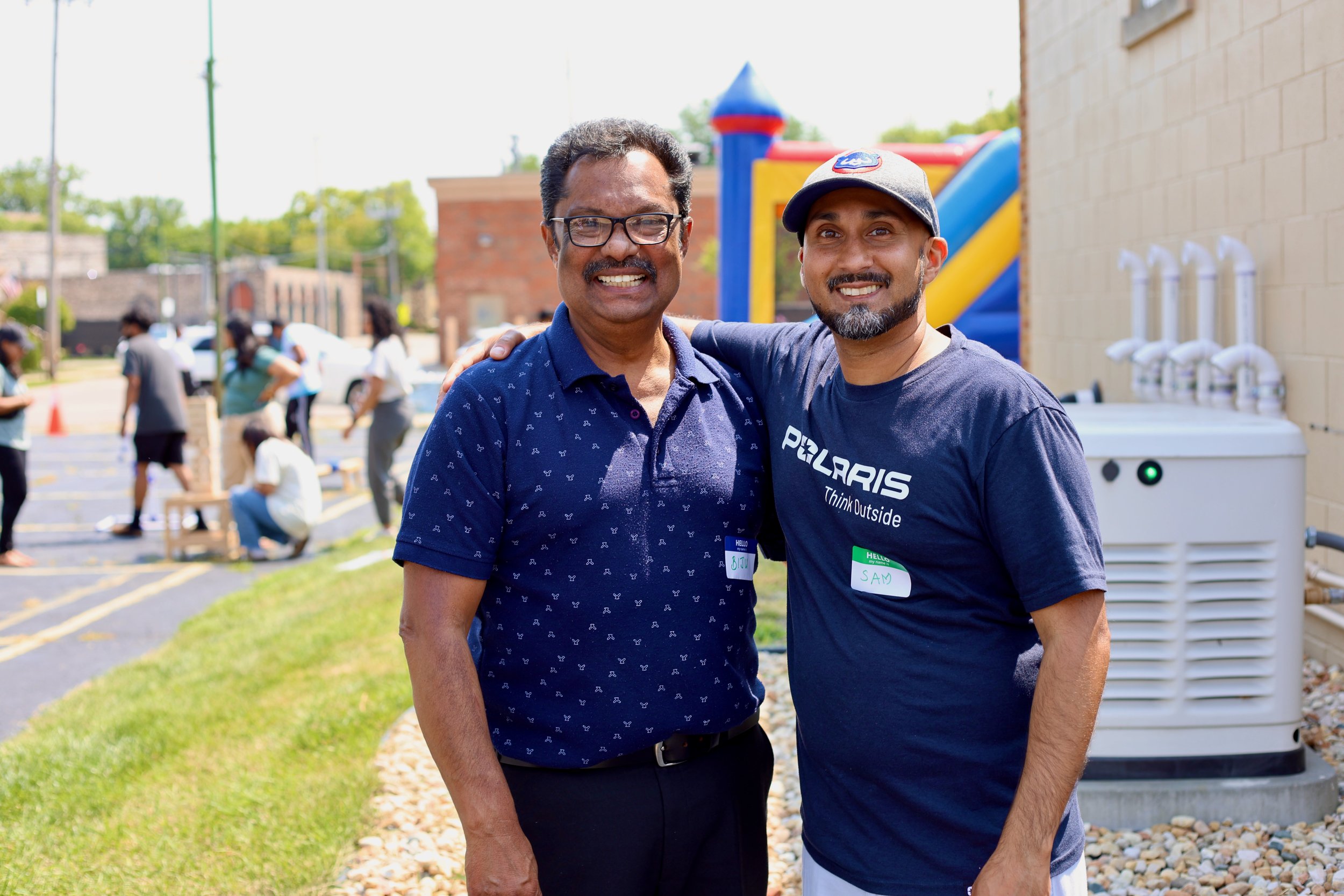
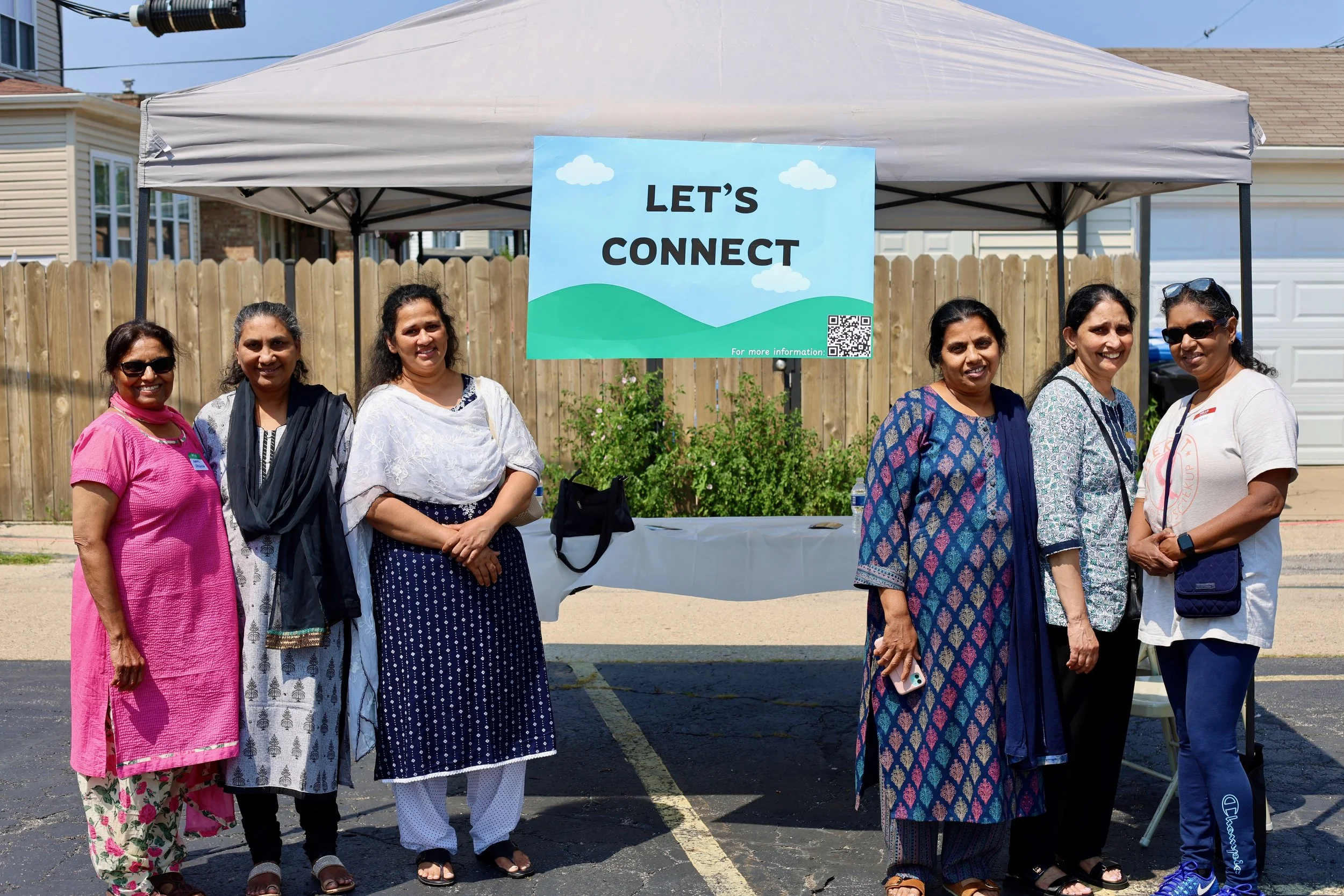
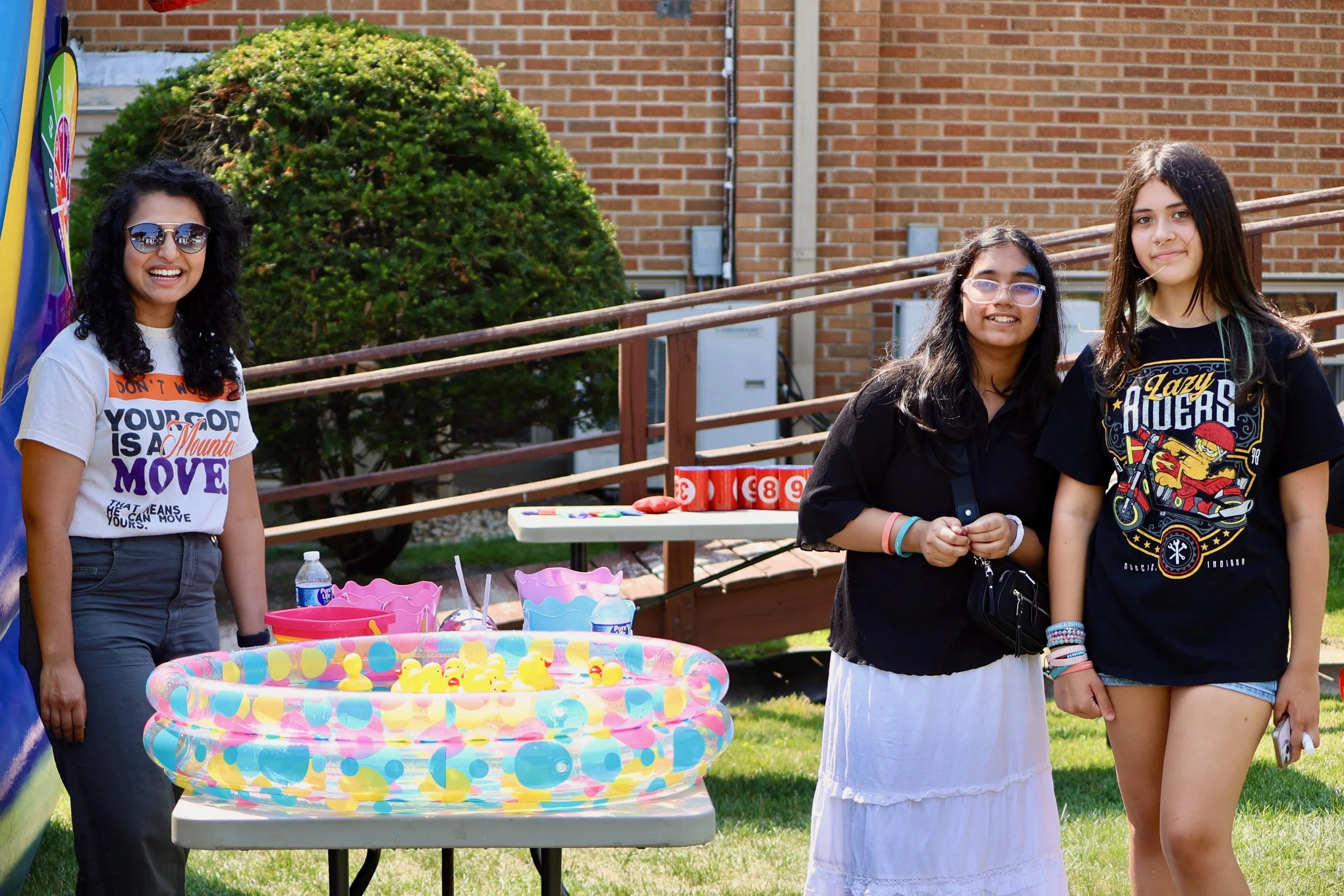
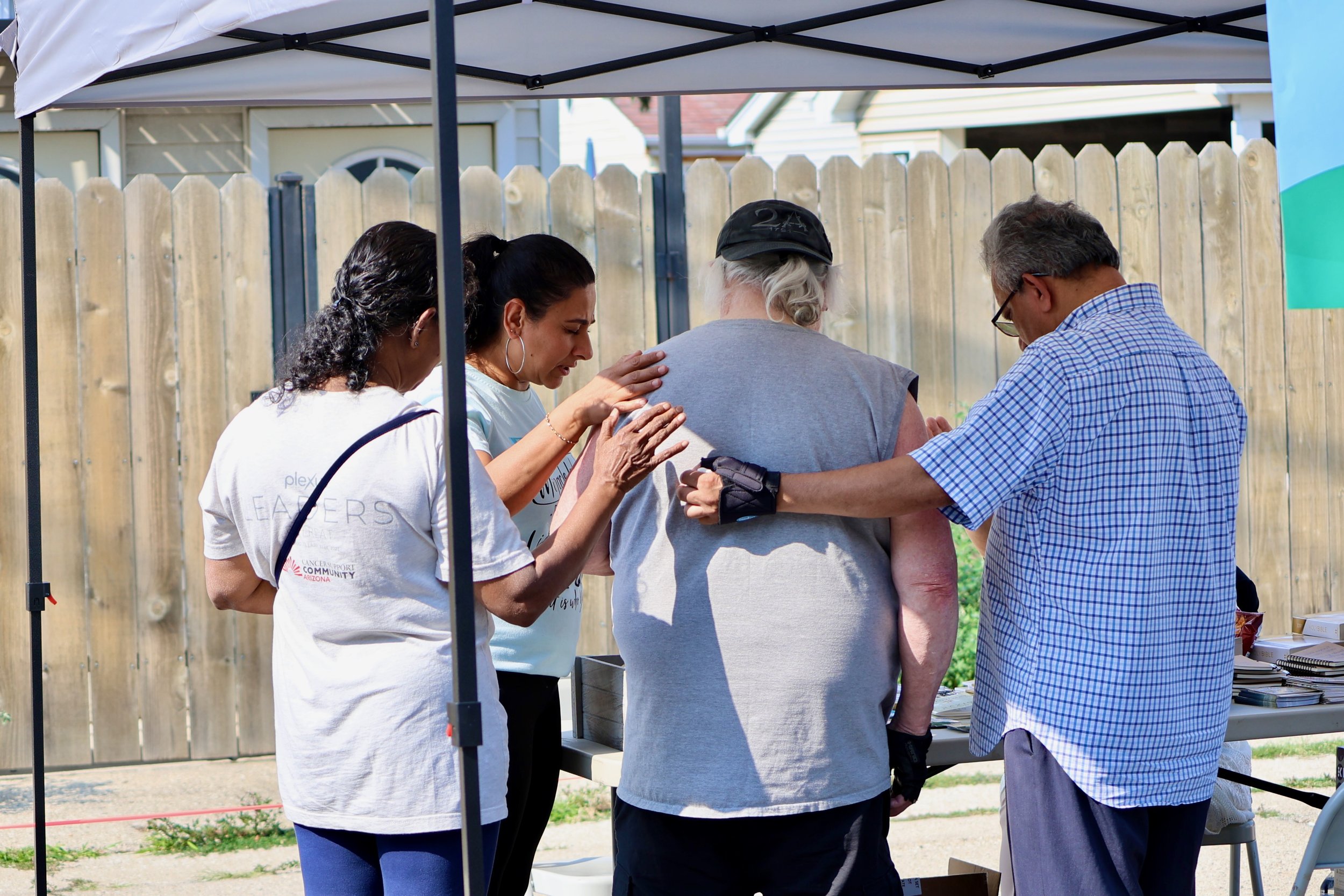
With support from the TICI micro-grant, IPA organized the Thrive Festival: an intentional step into neighborhood engagement. Planning reflected the shift already underway. Teams were formed across generations, not within them. Three generations worked together in every part of the event. At the wellness booth, medical professionals offered care and conversation. At the gospel booth, the founding pastor stood alongside volunteers and prayer teams. Every team was intentionally multi-generational. The structure reflected what TICI had been forming in the church: mission is strongest when generations serve together.
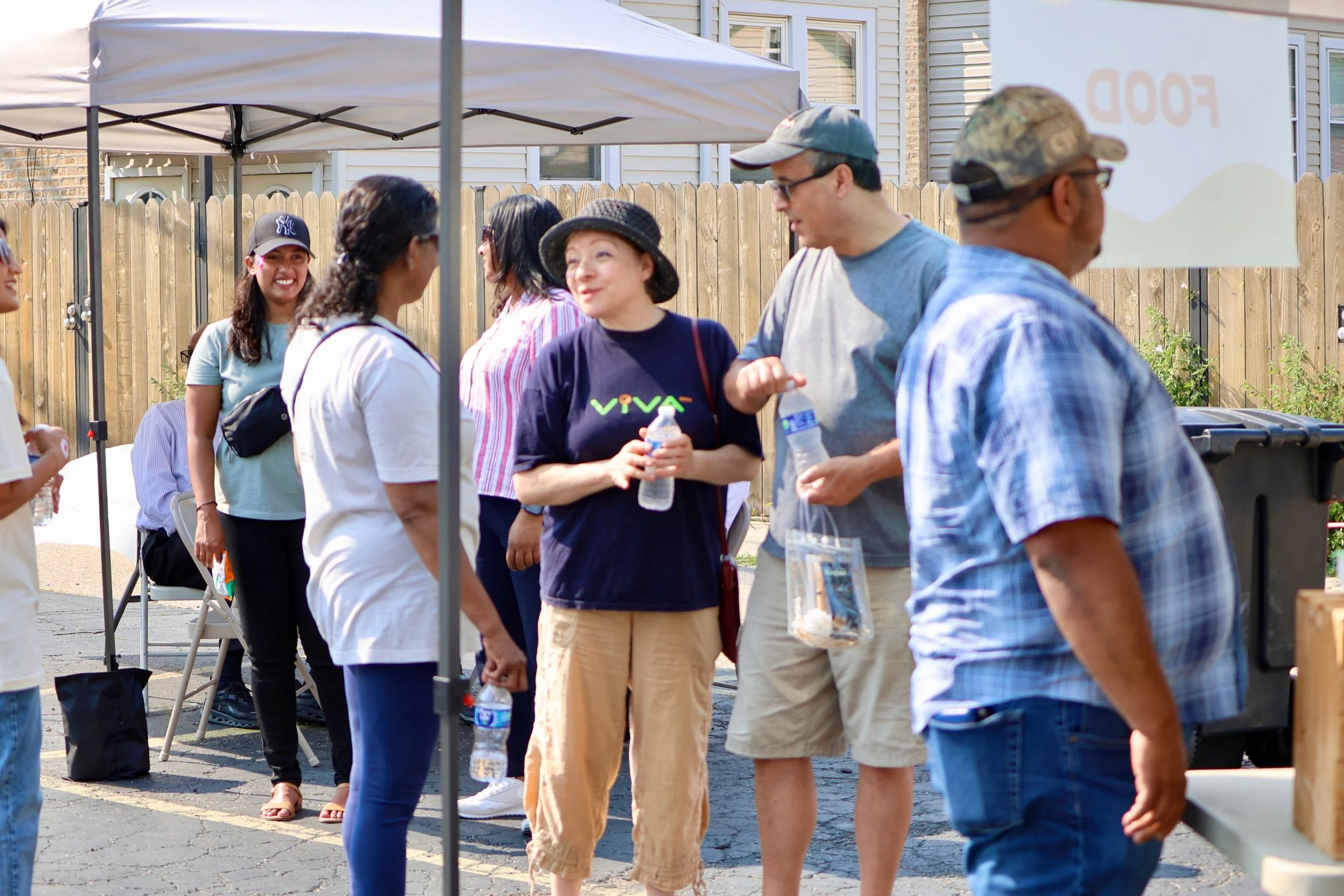
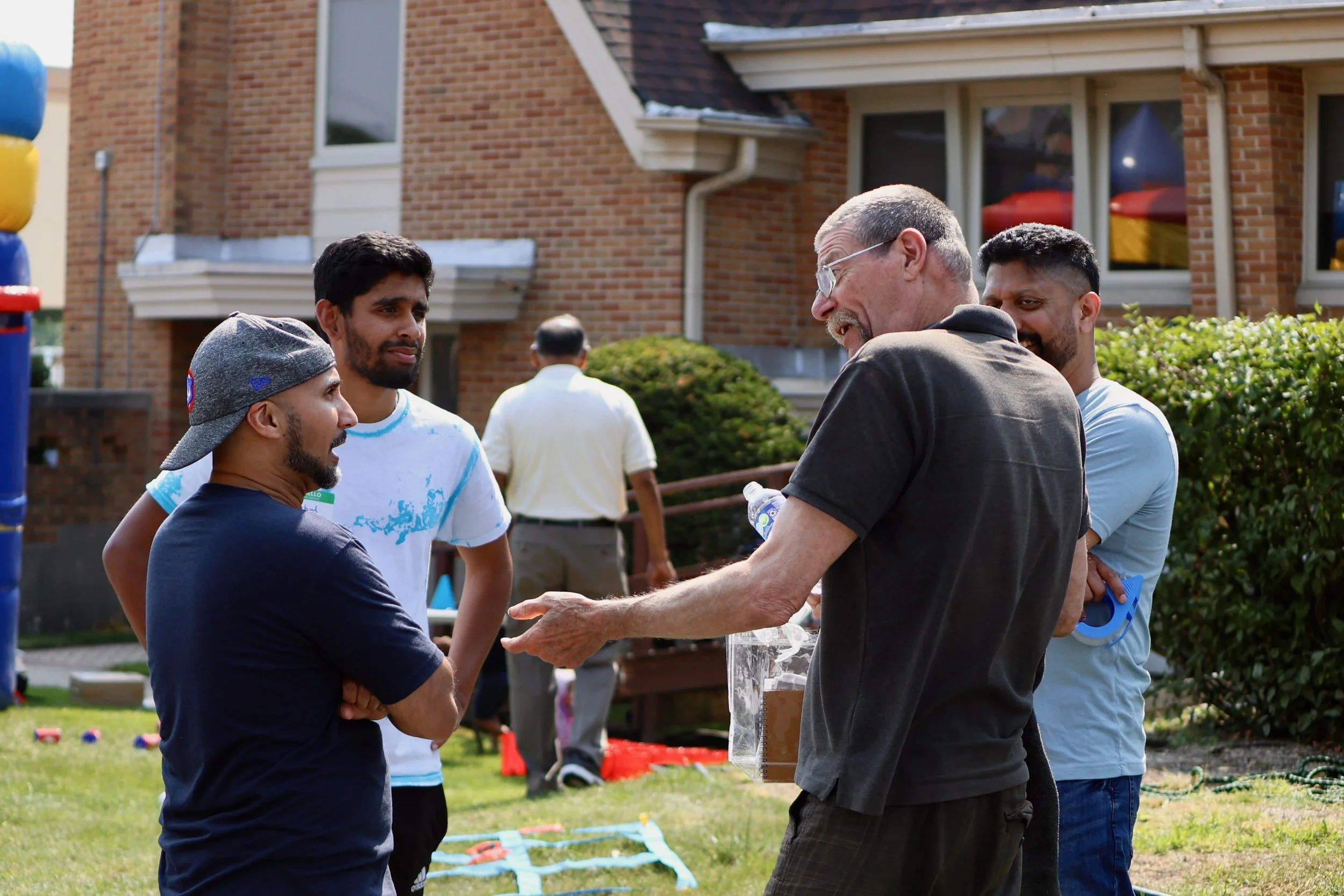
Then the neighborhood arrived. Roger and Jayne, new neighbors from Canada, visited for the first time. What began as a casual stop became a meaningful exchange of stories and a moment of prayer. Jim, an older neighbor, moved from booth to booth with visible joy. These were not large moments, but they reflected something significant: IPA was learning to see and be seen by its community.
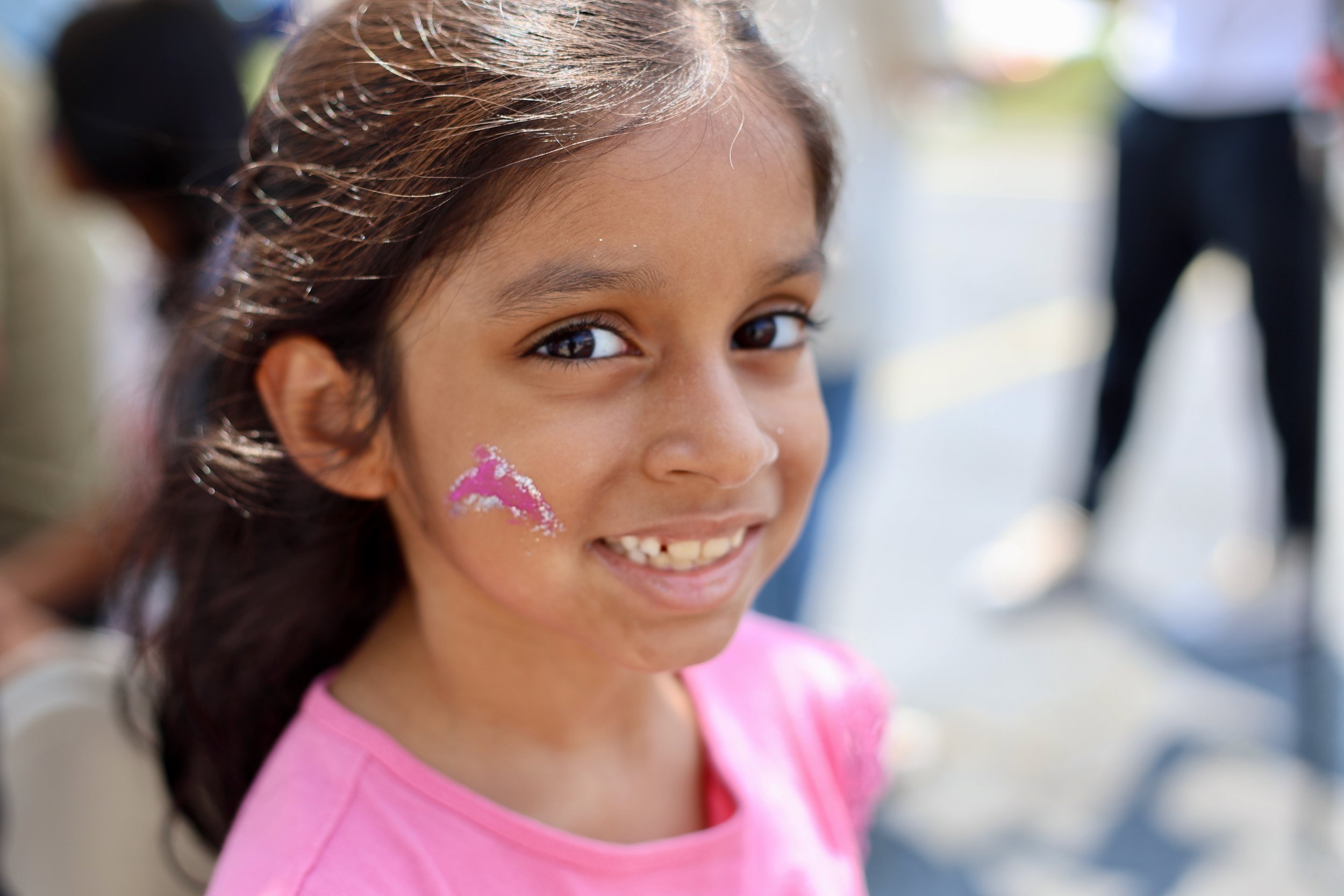
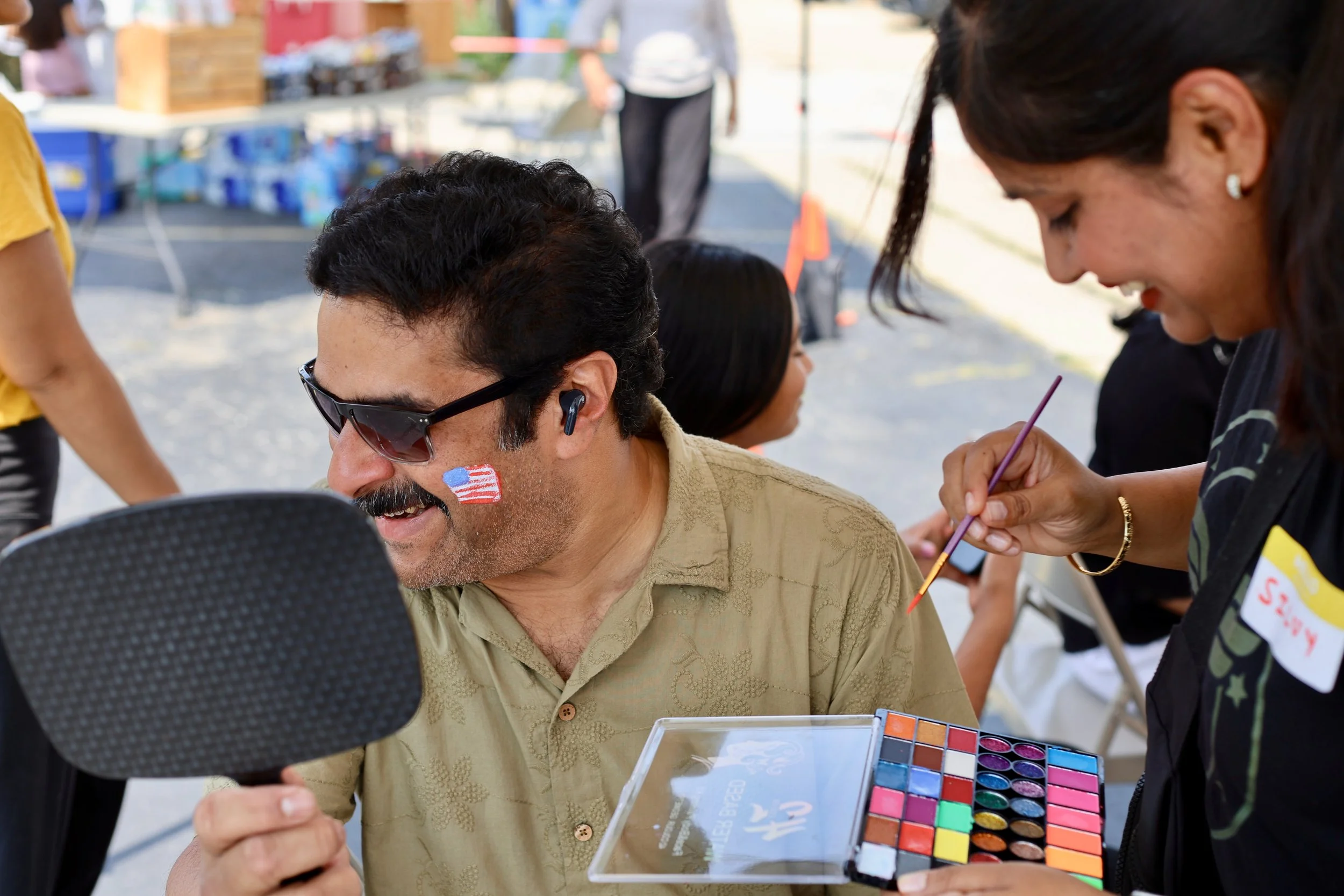
Even within the church, transformation was visible. First-generation members joined third generation members in having their faces painted. Youth stepped into leadership roles. Generations that once interacted mainly in passing were now serving side by side.
The Thrive Festival did not complete IPA’s transformation, but it revealed direction. What began through TICI as new language and learning had become new habits of connection. The church was no longer preserving a legacy. It was reshaping its legacy through intergenerational bridge-building.
Today, IPA is growing into this identity. Its journey shows that when immigrant churches are given space to listen, learn, and name their generational realities, they can move from inward preservation to outward engagement. Through TICI, IPA discovered that the strength of the church is not only in its history, but in its ability to connect generations into a shared mission of love for the neighborhood it calls home.